

Smart home integration, driven by Select Smart Car Tech, connects homes and vehicles for enhanced convenience and eco-friendly living. Planning, device selection (thermostats, lighting, security), and phased implementation are key. By 2024, global smart home spending surpasses $180 billion. Individual needs guide smart car tech choices: fuel efficiency, security, voice commands, real-time traffic updates. Home automation through V2X communication improves safety and traffic flow. Cost savings achieved with pay-as-you-drive policies and centralized control via smart assistants. Robust security measures, including encryption and firmware updates, protect against cyberattacks for a safe smart home environment.
In today’s digital age, smart home integration has emerged as a game-changer, transforming the way we interact with our living spaces. As our homes become increasingly connected, seamlessly integrating Select Smart Car Tech is no longer a luxury but a necessity. The problem lies in the fragmented landscape, where various devices and systems lack cohesion, leading to inefficiencies and a frustrating user experience. This authoritative article delves into the latest advancements in smart home technology, offering insights into how Select Smart Car Tech can provide a unified, streamlined solution for enhanced convenience, security, and energy efficiency.
- Understanding Smart Home Integration Basics
- Choosing the Right Smart Car Tech for Your Needs
- Setting Up Seamless Home Automation Systems
- Maximizing Security with Integrated Smart Devices
Understanding Smart Home Integration Basics

The latest wave of technological advancements has seen a dramatic rise in smart home integration, transforming ordinary living spaces into highly efficient and connected environments. At the heart of this revolution is the seamless Select Smart Car Tech that bridges the gap between our homes and vehicles. Understanding the fundamentals of smart home integration is crucial for maximizing the benefits these systems offer.
At its core, smart home technology involves the integration of various devices and systems to create a unified network. This includes everything from temperature control and lighting to security systems and infotainment. For instance, modern infotainment systems are no longer mere radio or music players; they’ve evolved into centralized hubs that connect with other smart devices in your home. Imagine adjusting the lights, locking doors, and setting dynamic speed limits in your car all through a single, intuitive interface. This integration not only enhances convenience but also contributes to green car technologies, promoting eco-friendly practices within your household.
Practical insights into successful integration start with thorough planning. Homeowners should assess their needs, existing infrastructure, and budget before implementing smart home solutions. For example, if you’re looking to incorporate eco-friendly smart cars, consider the charging infrastructure required and how it fits within your home’s layout. Many modern homes are now designed with dedicated spaces for electric vehicle (EV) charging stations, ensuring seamless integration of these green car technologies. Data shows that smart home adoption is accelerating, with global spending projected to reach over $180 billion by 2024. This trend underscores the growing importance of efficient and connected living spaces.
Experts recommend a phased approach when setting up your smart home network. Start with essential devices like thermostats and lighting systems, ensuring they’re compatible with your chosen Select Smart Car Tech. As your network expands, consider adding security cameras, voice assistants, and appliances that can be controlled remotely. For instance, LG’s smart refrigerator offers integrated infotainment systems, allowing you to manage your grocery list and access recipes directly from the fridge. This holistic approach ensures that each new addition complements and enhances the existing ecosystem, creating a truly dynamic and responsive living environment.
Choosing the Right Smart Car Tech for Your Needs
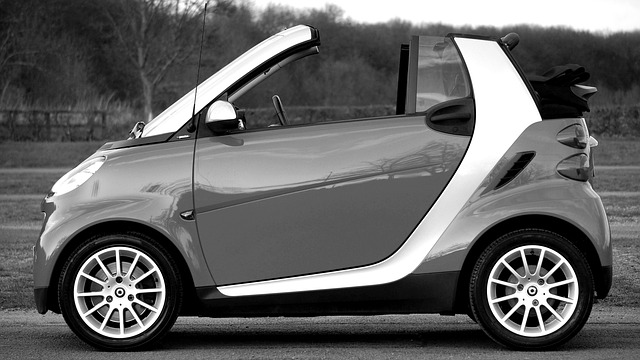
Selecting the appropriate smart car technology is a crucial step in embracing the future of automotive innovation. As we navigate an ever-evolving landscape of connected vehicles, understanding your specific needs becomes paramount. This journey into smart home integration starts with recognizing that one-size-fits-all solutions rarely excel in fulfilling individual requirements. When choosing smart car tech, consider factors such as fuel efficiency, environmental impact, and advanced security protocols to ensure a seamless and secure experience.
For instance, incorporating green driving tips into your routine can significantly reduce your carbon footprint. Modern smart cars equipped with eco-friendly features like regenerative braking and intelligent energy management systems offer both performance and sustainability. These technologies not only optimize fuel-efficient routing but also educate drivers on sustainable practices, fostering a more responsible driving culture. Security is another vital aspect; advanced encryption protocols safeguard your data, ensuring privacy while connected to various smart home devices.
A practical approach involves evaluating your daily routines and priorities. If you’re an urban commuter, real-time traffic updates and navigation systems optimized for fuel efficiency could be invaluable. For those with a penchant for off-road adventures, advanced driver-assistance systems (ADAS) offering enhanced safety features might take center stage. Moreover, voice command integration and smartphone connectivity should be considered essential for hands-free control and seamless device synchronization. By Select Smart Car Tech that aligns with your lifestyle, you can enhance your driving experience while reaping the benefits of a well-integrated smart home ecosystem.
Setting Up Seamless Home Automation Systems
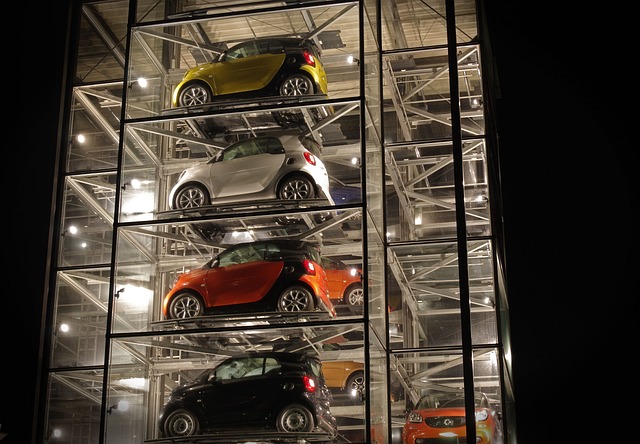
Setting up seamless home automation systems has become a defining feature of modern living, transforming homes into smart environments that enhance comfort, security, and efficiency. The latest advancements in smart home technology offer unprecedented control and integration, allowing users to manage lighting, temperature, security, and appliances through intuitive interfaces or voice commands. At the heart of this revolution lies the selection of the right smart home tech, particularly intelligent vehicle (Smart Car) technology, which serves as a critical component for achieving true home automation.
One key aspect to consider is the integration of V2X (Vehicle-to-Everything) technology, which enables bidirectional communication between vehicles and their surroundings. This benefits not only road safety but also smart home systems by facilitating congestion-aware navigation, optimizing routes based on real-time traffic data, and enhancing overall urban mobility. For instance, a study by the Department of Transportation found that V2X technology could reduce crash severity and enable more efficient traffic flow, ultimately improving quality of life in densely populated areas. As smart car tech evolves, consumers should look for features like pay-as-you-drive policies, which promote responsible driving habits while offering cost savings based on individual usage patterns.
Implementing a cohesive home automation system requires strategic planning and consideration of various components. Users should start by assessing their needs and preferences, identifying key areas for automation such as lighting, security, or entertainment. Once determined, integrating these systems through a centralized hub or smart assistant ensures seamless control and compatibility. For instance, platforms like Google Home or Amazon Alexa provide a unified interface to manage multiple devices from various manufacturers, allowing for a truly connected home experience. Regularly updating firmware and utilizing available apps can further enhance system performance and security, ensuring that the smart home remains responsive and efficient over time.
Maximizing Security with Integrated Smart Devices

The evolution of smart home technology has led to unprecedented levels of convenience and comfort, but security remains a paramount concern for homeowners embracing this digital transformation. Integrated smart devices offer a robust solution, enhancing security measures beyond traditional systems. For instance, an automatic garage opening system, controlled via a central hub or voice commands, eliminates the risk associated with leaving keys accessible. This technology not only secures entry but also contributes to a more efficient household routine.
Incorporating adaptive cruise control and customizable driving modes into smart car tech is another strategic move for maximizing security on the roads. These features enable vehicles to maintain a safe distance from other cars, reducing the risk of collisions. Moreover, green driving tips integrated into these systems can help drivers become more environmentally conscious without compromising performance. For example, some advanced systems provide real-time feedback on fuel efficiency, encouraging eco-friendly practices and minimizing environmental impact.
Experts suggest that the key to effective smart home security lies in centralized control and seamless integration. Homeowners should invest in Select Smart Car Tech that allows for comprehensive monitoring and control via a single interface. By integrating various devices—from automatic garage doors to advanced cruise control systems—homeowners can create a unified security network. This approach ensures that all components work in harmony, providing robust protection against potential threats. Additionally, regular software updates and strong encryption protocols are essential to safeguard the system from cyberattacks, ensuring peace of mind for users embracing this sophisticated technology.
By embracing the latest smart home integration technologies, homeowners can significantly enhance their living experiences. Key insights include understanding basic integration principles, carefully selecting the right smart car tech tailored to individual needs, setting up seamless automation systems for daily convenience, and prioritizing security through integrated devices. Moving forward, focusing on these strategic areas – from foundational knowledge to practical implementation – will enable homeowners to unlock the full potential of their homes, ensuring a safe, efficient, and enjoyable environment. Select Smart Car Tech wisely as a cornerstone in this transformative journey.