
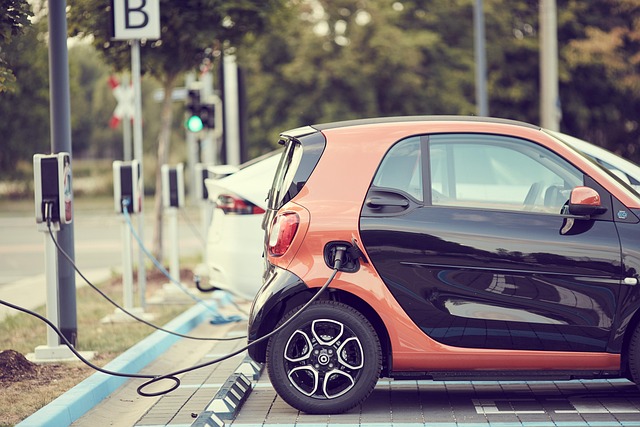
The rapid evolution of self-driving car technology demands a strategic approach to vehicle selection and auto insurance. Consumers must select smart car tech with advanced machine learning capabilities for improved safety, such as traffic jam assist and remote control. Insurers are transforming their models to cover unique risks, including cyberattacks and varied driving patterns, by leveraging analytics and innovative policy structures. Key coverage areas include sensor fusion technology protection and data privacy. As self-driving cars reduce accident rates, insurance premiums reflect advanced driver-assistance systems (ADAS) and low-emission technologies. Specialized AV insurance policies are emerging to address complex scenarios, incentivizing sustainable driving habits. Choosing vehicles with robust AI designed for safety and efficiency is crucial, ensuring informed decisions and suitable coverage.
The future of transportation is here with the advent of self-driving cars. As these innovative vehicles navigate our roads, a critical question emerges: How do we ensure their safety and liability? Auto insurance for self-driving cars is more than a necessity; it’s a cornerstone of responsible innovation. The current challenge lies in adapting traditional insurance models to accommodate the unique complexities of autonomous vehicle technology, such as Select Smart Car Tech. This article delves into these complexities, offering insights that bridge the gap between cutting-edge tech and robust insurance coverage.
- Understanding Self-Driving Car Technology: Select Smart Car Tech
- The Evolving Role of Auto Insurance in Autonomous Vehicles
- Key Coverage Areas for Self-Driving Car Insurance Policies
- Factors Influencing Self-Driving Car Insurance Premiums
- Navigating Claims and Safety With Autonomous Vehicle Insurance
Understanding Self-Driving Car Technology: Select Smart Car Tech

The evolution of self-driving car technology necessitates a nuanced understanding of the intricate systems at play. As autonomous vehicles transition from science fiction to everyday reality, consumers must navigate a landscape of advanced features and safety mechanisms. Among the myriad of technologies, selecting the right smart car tech is paramount. This involves evaluating machine learning applications that power decision-making processes, particularly in complex scenarios like traffic jams, where adaptive cruise control systems demonstrate their mettle.
Imagine a vehicle that not only navigates roads but also anticipates congestion, adjusting speed and braking accordingly without driver intervention. Traffic jam assist, an innovative application of artificial intelligence, is transforming commute experiences by enhancing safety and efficiency. These advanced systems learn from data, improving performance over time. Moreover, remote car control capabilities offer an additional layer of convenience and security, allowing owners to manage certain functions from a distance.
When evaluating self-driving car insurance, assessing the sophistication of these technologies is crucial. Consumers should seek vehicles equipped with robust machine learning frameworks that can process vast datasets in real-time. For instance, leading automotive manufacturers are integrating advanced driver-assistance systems (ADAS) that leverage deep neural networks to detect and classify objects, enabling safer driving. By selecting smart car tech that prioritizes continuous learning and adaptation, individuals can ensure their vehicles remain at the forefront of autonomous innovation, reflecting the latest advancements in safety and performance.
The Evolving Role of Auto Insurance in Autonomous Vehicles
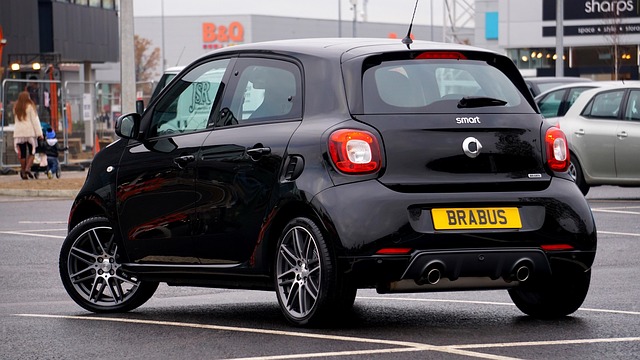
The role of auto insurance is undergoing a significant evolution as self-driving car technology advances. With the integration of smart car tech like voice command controls and biometric access control, traditional insurance models need to adapt to new risk profiles and liability scenarios. For instance, autonomous vehicles may require distinct coverage types, including protection against cyberattacks and data breaches, which are increasingly prevalent as cars become more connected. Insurers must also consider the shift towards ride-sharing and car-as-a-service models, where vehicles are shared among multiple users, necessitating policies that account for varied driving patterns and usage.
Furthermore, commercial vehicle optimization, including autonomous fleets, presents both challenges and opportunities. Businesses adopting self-driving tech need comprehensive insurance solutions tailored to cover operational risks, liability for on-road incidents, and potential regulatory fines. Insurers can play a crucial role in enabling the responsible adoption of these vehicles by offering specialized policies that address unique concerns, such as remote monitoring and over-the-air updates that impact vehicle control systems. As autonomous vehicles become more commonplace, traditional one-size-fits-all insurance policies will likely be replaced by dynamic, data-driven models that reflect the specific risks associated with each vehicle and driver.
To stay ahead in this evolving landscape, insurers should invest in advanced analytics and digital platforms to process vast amounts of vehicle and driving data. This enables more precise risk assessment and pricing. Additionally, embracing innovative policy structures, such as usage-based insurance or pay-as-you-go models, can incentivize safe driving behaviors. By selecting smart car tech judiciously and adopting forward-thinking insurance strategies, the auto insurance industry can ensure it remains a vital component in the safe integration of self-driving cars into our roads and communities.
Key Coverage Areas for Self-Driving Car Insurance Policies

Self-driving cars are rapidly transforming the automotive landscape, ushering in a new era of mobility where safety and efficiency are paramount. As these vehicles navigate complex road environments with minimal human intervention, it’s crucial to consider tailored insurance policies that reflect their unique operational dynamics. Key coverage areas for self-driving car insurance policies must encompass a broad spectrum of potential risks and responsibilities, ensuring comprehensive protection for both manufacturers and owners.
One of the primary concerns revolves around robust sensor fusion technology, which forms the backbone of autonomous driving systems. Advanced sensors like LiDAR, radar, and cameras work in harmony to perceive the surroundings, enabling real-time decision-making. Insurance policies should cover any damage or malfunction of these critical components, especially as self-driving cars operate in diverse weather conditions and urban landscapes. For instance, a comprehensive claim could arise from a sensor failure that leads to an accident, emphasizing the need for coverage that supports repair or replacement costs.
Moreover, the interconnected nature of self-driving cars within the connected car ecosystem necessitates specific coverage considerations. As these vehicles communicate with infrastructure and other autonomous systems, data breaches or cyberattacks could result in significant financial losses and legal liabilities. Policies should include provisions for data protection and privacy, ensuring that owners are shielded from potential cyber risks. This becomes increasingly important as more electric vehicle (EV) manufacturers integrate advanced driver-assistance systems (ADAS), aiming to reduce carbon footprint and enhance range extensions by up to 3 times compared to conventional vehicles.
In the future of autonomous driving, insuring against unexpected technological advancements is essential. For example, as self-driving cars evolve to handle more complex scenarios, including dynamic traffic patterns and unpredictable human behavior, policies should adapt to cover emerging risks. This includes liability for accidental harm caused by systems that encounter unforeseen situations, pushing the boundaries of current technology. Select smart car tech that prioritizes safety and environmental sustainability, such as advanced autonomous braking systems and energy-efficient propulsion, can contribute to reduced carbon emissions while ensuring robust coverage for potential incidents within evolving regulatory frameworks.
Factors Influencing Self-Driving Car Insurance Premiums

The emergence of self-driving cars has revolutionized the automotive landscape, promising safer roads and transformed mobility. As these vehicles become more prevalent, understanding the factors influencing auto insurance premiums for self-driven cars is paramount. Several key elements play a significant role in shaping the cost of insurance for these advanced vehicles. One of the primary considerations is the car’s technology suite, particularly its select smart car tech capabilities.
Advanced driver-assistance systems (ADAS), including speech recognition technology, contribute to lower premiums by demonstrating enhanced safety features. Vehicles equipped with these systems can detect and respond to potential hazards more efficiently, reducing the likelihood of accidents. For instance, a study by the Insurance Institute for Highway Safety (IIHS) found that cars with forward collision warning and autonomous emergency braking systems had 27% fewer crashes per 100 vehicles compared to those without these features. Additionally, low-emission vehicles are increasingly favored by insurance providers due to their environmental benefits and potential for reduced fuel costs. As governments worldwide push for greener transportation, the adoption of electric and hybrid vehicles is on the rise, influencing insurance rates positively.
Another critical aspect is the driver’s behavior and adherence to low-impact driving techniques. Insurers analyze data related to speeding, sudden braking, and aggressive maneuvers to set premiums. Self-driving cars, when programmed with conservative driving algorithms, can significantly minimize these risk factors. By employing predictive analytics and optimizing route planning, these vehicles can reduce claims, leading to more affordable insurance rates over time. For example, companies like Waymo have successfully demonstrated lower accident rates in their autonomous fleet, setting a precedent for industry-wide trends. Ultimately, the combination of cutting-edge technology, eco-friendly practices, and responsible driving habits empowers individuals to Select smart car tech that not only enhances their experience but also contributes to more economical auto insurance premiums.
Navigating Claims and Safety With Autonomous Vehicle Insurance

As self-driving cars continue to evolve from futuristic concept to everyday reality, understanding the nuances of auto insurance becomes increasingly critical. Navigating claims processes for these vehicles presents unique challenges, especially with the integration of advanced AI in automotive industry. Traditional insurance models may not adequately cover incidents involving autonomous vehicle (AV) technology and its intricate systems. For instance, when a smart car equipped with cutting-edge self-driving capabilities is involved in an accident, determining liability can be complex. Does the driver, the manufacturer, or the AI system bear responsibility?
To address these complexities, specialized AV insurance policies are emerging. These policies factor in the unique dynamics of autonomous vehicles, including their reliance on intricate algorithms and sensor systems. They also consider the broader safety implications, such as reduced human error, which can lead to fewer accidents overall. For eco-friendly smart cars, further benefits may be realized through policies that incentivize sustainable driving habits and reward drivers who actively contribute to lower carbon emissions. According to recent studies, AV technology could reduce vehicle emissions by up to 80% due to optimized routing and smoother braking.
Selecting the right car tech becomes even more crucial when considering insurance implications. Smart car owners should look for models that incorporate robust AI systems designed for safety and efficiency. Manufacturers leading in this space are leveraging machine learning algorithms to continuously improve their AV capabilities. For instance, Tesla’s Autopilot system uses real-time data from its global network of vehicles to refine its predictive models. By understanding the evolution of self-driving tech and staying informed on industry best practices, drivers can make smarter decisions when choosing a vehicle and aligning it with suitable insurance coverage.
As self-driving car technology continues to advance, understanding the role of auto insurance becomes increasingly vital. This article has provided a comprehensive overview, highlighting key coverage areas, factors influencing premiums, and best practices for navigating claims with autonomous vehicles. The most important takeaway is that Select Smart Car Tech plays a crucial role in shaping insurance needs—it’s not just about the vehicle’s capabilities but also its integration within a broader safety ecosystem. Insurers are adapting to this new landscape, offering specialized policies tailored to address unique risks and benefits of self-driving cars. By staying informed and engaging with these evolving trends, readers can make more informed decisions regarding their auto insurance needs in the future, ensuring they remain protected as the automotive industry navigates its autonomous future.