

High-performance electric vehicles (HPEVs) combine cutting-edge battery tech and propulsion for superior efficiency and dynamics. Key innovations include smart car technologies like real-time traffic updates, biometric access control, and autonomous driving features. To unlock HPEVs' potential, automakers must focus on improving battery technology, software updates, and charging infrastructure. Select Smart Car Tech, including AI-integrated predictive maintenance, enhances safety, personalization, and driving experiences. Future trends include enhanced encryption, lightweight materials, efficient motors, and vehicle-to-infrastructure communication for extended ranges and reduced charging times.
High-performance electric vehicles are reshaping the automotive landscape, demanding advanced technologies to match their elevated standards. As environmental concerns grow, the need for efficient, eco-friendly power sources has never been more pressing. This article delves into the core of this revolution, exploring how Select Smart Car Tech is paving the way for a new era of high-performance electric mobility. We analyze cutting-edge innovations in battery technology, motor design, and smart connectivity, examining their collective impact on range, speed, and safety. By embracing these advancements, we’re not just driving towards a greener future—we’re accelerating it.
- Unlocking Potential: High-Performance Electric Vehicles Explained
- Select Smart Car Tech: Key Features for Efficient Driving
- Future of Mobility: Trends Shaping Electric Vehicle Innovation
Unlocking Potential: High-Performance Electric Vehicles Explained

High-performance electric vehicles (HPEVs) represent a significant leap forward in automotive technology, combining cutting-edge battery systems with advanced propulsion techniques to deliver unparalleled efficiency and driving dynamics. These vehicles are more than just eco-friendly alternatives; they offer an immersive driving experience characterized by swift acceleration, precise handling, and reduced environmental impact. At the heart of this revolution lies innovative car tech that optimizes performance while addressing modern mobility needs.
One key aspect is the integration of smart car technologies, such as immobilizer systems interfaced with real-time traffic updates. These systems enhance safety by preventing unauthorized access and providing drivers with dynamic route planning based on current traffic conditions. Biometric access control, another notable advancement, allows for personalized vehicle experiences, ensuring only authorized users can operate the HPEV. Furthermore, the development of autonomous driving capabilities promises to revolutionize highway travel, making long-distance commutes safer and more relaxing. For instance, Tesla’s Autopilot system has demonstrated advanced lane keeping and adaptive cruise control, setting a precedent for future self-driving technologies.
To unlock HPEVs’ full potential, automakers must focus on improving battery technology, charging infrastructure, and software updates. Data suggests that as battery ranges expand and charging times shorten, more consumers will embrace electric mobility. For example, the Nissan Leaf has seen substantial adoption due to its affordable price point and consistent range improvements over the years. Effective range management and rapid charging solutions are essential to address range anxiety, a common barrier to EV adoption. Additionally, regular software updates can enhance vehicle performance and introduce new features, much like smartphone operating systems receive periodic upgrades from manufacturers. By leveraging these strategies, HPEVs can not only meet but exceed the expectations of discerning drivers while contributing to a more sustainable future.
Select Smart Car Tech: Key Features for Efficient Driving

Selecting Smart Car Tech plays a pivotal role in shaping the efficiency and overall driving experience of high-performance electric vehicles (EVs). Modern EVs are no longer just about powering up; they’re about empowering drivers with intuitive technology that enhances safety, comfort, and performance. Key features like congestion mitigation strategies, voice-activated commands, and infotainment systems integration top the list for smart car tech enthusiasts. For instance, advanced navigation systems equipped with real-time traffic data allow EV owners to avoid heavy traffic areas, optimizing their route and thus conserving battery life.
Voice-activated commands have become a staple in contemporary infotainment systems, enabling drivers to manage music, calls, and navigation without taking their hands off the wheel. This not only enhances safety but also contributes to more efficient driving. For example, Tesla’s Autopilot uses AI-driven voice recognition to adjust settings, make calls, or play media, allowing for a truly hands-free experience. Furthermore, user-specific settings are another critical aspect of smart car tech that allows drivers to personalize their vehicle according to their preferences. This includes memory settings for seats, mirrors, and climate control, ensuring a comfortable ride for every occupant.
As the EV market continues to grow, so does the sophistication of in-car technology. Automakers like Volkswagen, with its ID.4, offer integrated smart car tech packages that include over-the-air updates, remote diagnostics, and advanced driver assistance systems (ADAS). These features not only improve the vehicle’s performance but also provide owners with peace of mind. By embracing these innovations, EV drivers can look forward to a future where congestion mitigation strategies become the norm, making our roads safer and more enjoyable for everyone.
Future of Mobility: Trends Shaping Electric Vehicle Innovation
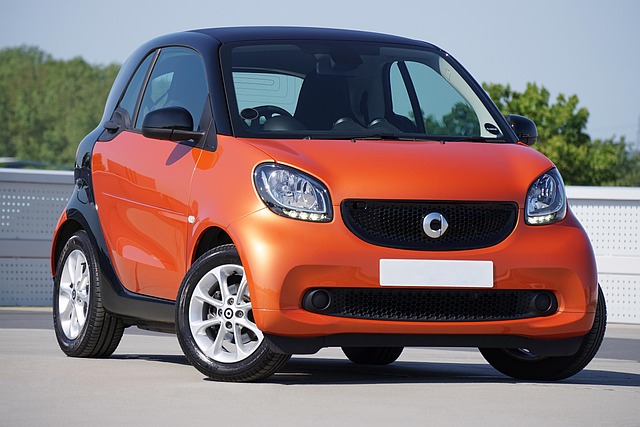
The future of mobility is increasingly defined by electric vehicles (EVs), which are transforming how we think about transportation. As global efforts to combat climate change intensify, the demand for low-emission vehicles is soaring. Advanced encryption protocols and hands-free calling and messaging in-car entertainment systems are becoming integral components of smart car tech, enhancing not only safety but also passenger experience. Major automakers are investing heavily in EV research and development, driven by stringent environmental regulations and consumer preferences for sustainable transportation options. For instance, Tesla’s Model 3 has consistently ranked as one of the best-selling EVs globally, showcasing the growing appeal of long-range, high-performance electric vehicles.
The evolution of EV technology is not just about battery range and charging infrastructure; it encompasses a broader spectrum of innovations. Advanced driver-assistance systems (ADAS) are becoming more sophisticated, with features like autonomous driving capabilities and enhanced safety nets. Select smart car tech, integrated with AI algorithms, allows for predictive maintenance and real-time performance monitoring, ensuring optimal vehicle health. As these technologies mature, they will contribute to safer roads and a more efficient transportation network. Furthermore, the integration of in-car entertainment systems, now featuring seamless connectivity and hands-free interaction, is transforming long-distance travel into an immersive experience. These advancements not only cater to modern lifestyles but also set new standards for user convenience and engagement.
Looking ahead, the trends shaping the future of EV innovation include increased adoption of advanced encryption protocols to safeguard vehicle data and ensure secure communication between vehicles and infrastructure. This is crucial as connected cars become more prevalent, enabling features like V2V (vehicle-to-vehicle) and V2I (vehicle-to-infrastructure) communication. Additionally, the focus on lightweight materials, efficient motors, and smart energy management systems will further extend EV ranges and reduce charging times, making them even more appealing to consumers. The transition to low-emission vehicles is not just a technological imperative; it’s an opportunity to redefine mobility, improve air quality, and contribute to a more sustainable future.
High-performance electric vehicles (EVs) represent a significant shift in mobility, harnessing Select Smart Car Tech to deliver unparalleled efficiency and driving experiences. By understanding the unlocking potential of these vehicles and navigating future trends, we can anticipate a transformative landscape. Key insights include the importance of advanced technology, such as sophisticated battery systems and regenerative braking, for optimal performance. Embracing innovative features like autonomous driving and connected connectivity is crucial for staying ahead in this rapidly evolving industry. As we look to the future, EV innovation will continue to revolutionize transportation, offering sustainable solutions while enhancing safety and convenience through Select Smart Car Tech integrations.