
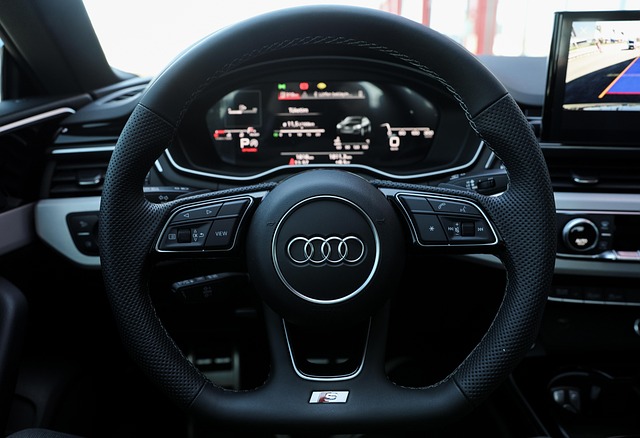
Select Smart Car Tech enhances fleet management through vehicle analytics, offering real-time tracking, NLP, and synchronization. Benefits include improved performance, predictive maintenance, and fuel-efficient practices. Strategic implementation involves selecting advanced telematics, ADAS, and EV charging, aligning tech with business goals for cost savings, efficiency, and sustainability. Structured planning ensures data security and effective personnel training. Adopting these practices transforms fleet management into a dynamic, data-driven process that supports strategic objectives while reducing environmental impact.
In today’s competitive business landscape, leveraging data to optimize operations is paramount. Among the sea of available insights, vehicle analytics stands out as a game-changer for companies with fleets on the road. The problem? Traditional methods struggle to provide real-time, actionable data, leading to inefficiencies and missed opportunities. However, selecting and implementing Smart Car Tech offers a robust solution. By integrating advanced analytics into their fleet management strategies, businesses can gain unprecedented visibility into vehicle performance, driver behavior, and operational trends, ultimately driving cost savings, enhanced safety, and improved customer satisfaction.
- Unlocking Business Potential: Vehicle Analytics
- Selecting Smart Car Tech for Optimal Insights
- Implementing Data-Driven Strategies with Vehicle Analytics
Unlocking Business Potential: Vehicle Analytics

Vehicle analytics, powered by advanced technologies like Select Smart Car Tech, offers businesses a profound opportunity to unlock unprecedented levels of operational efficiency and strategic insights. By seamlessly integrating data from fleet vehicles through real-time tracking, natural language processing (NLP), and vehicle-home synchronization, companies gain granular visibility into their mobility assets. This enables them to make informed decisions that optimize routes, reduce fuel costs, enhance driver safety, and improve customer satisfaction.
Consider a logistics company with a substantial fleet of delivery vans. Through the implementation of analytics solutions, they can pinpoint inefficiencies such as excessive idling times or unnecessary detours. Leveraging NLP, they may also analyze driver behavior to ensure adherence to safety protocols and reduce risky driving patterns. This data-driven approach allows them to refine their operational strategies, leading to significant cost savings and improved delivery times. Furthermore, integrating vehicle analytics with pay-as-you-drive policies can incentivize drivers to adopt more fuel-efficient practices, contributing to both financial and environmental sustainability.
Beyond operational enhancements, these analytics tools facilitate predictive maintenance. By monitoring engine performance, tire wear, and other vital signs, businesses can anticipate service needs before breakdowns occur. This proactive approach minimizes downtime and reduces the cost of unexpected repairs. Moreover, vehicle-home synchronization ensures that data flows seamlessly between operations teams and fleet managers, enabling rapid response to changing conditions and enhancing overall fleet management effectiveness.
To maximize the benefits, businesses should adopt a structured implementation plan. This includes selecting the right analytics platform tailored to their specific needs, ensuring data privacy and security, and training personnel to interpret insights effectively. By embracing these technologies, companies can transform their fleets from mere modes of transportation into strategic assets that drive growth, enhance competitiveness, and contribute to a more sustainable future.
Selecting Smart Car Tech for Optimal Insights

Selecting Smart Car Tech for Optimal Insights
In today’s digital age, businesses are increasingly leveraging vehicle analytics to gain strategic advantages. Among the myriad of available technologies, choosing the right ‘smart car tech’ is pivotal to extracting meaningful insights that drive operational efficiency and sustainability. For instance, lane departure warnings not only enhance driver safety but also provide valuable data on driver behavior and fleet management. Similarly, keyless entry systems and fuel efficiency optimization tools offer real-time data points for refining operations and reducing costs. According to a recent study, companies adopting advanced telematics solutions have reported an average 15% improvement in fuel economy.
A forward-thinking approach involves embracing technologies that anticipate the future of autonomous driving. These include sophisticated driver assistance systems (ADAS) like adaptive cruise control and automatic emergency braking, which pave the way for fully autonomous vehicles. By integrating these features, businesses can not only improve road safety but also create a more seamless experience for their employees and customers. For instance, companies operating logistics fleets have seen significant benefits from ADAS, reducing accidents and optimizing routes, ultimately leading to lower operational costs and a reduced carbon footprint.
When selecting smart car tech, it’s crucial to align technology choices with business objectives. Prioritize solutions that offer actionable insights, promote efficiency, and support sustainability goals like carbon footprint reduction. For example, implementing electric vehicle (EV) charging infrastructure not only caters to the growing demand for eco-friendly transportation but also positions businesses as leaders in environmental stewardship. Data from BloombergNEF indicates that global EV sales have been steadily rising, underscoring the shifting consumer preference for sustainable mobility options.
Ultimately, successful integration of smart car tech requires strategic planning and a comprehensive understanding of both the technology landscape and business needs. By selecting technologies that offer robust data insights, enhance safety, and promote sustainability, businesses can stay ahead in an increasingly competitive market. This not only ensures operational excellence but also positions companies as responsible corporate citizens, contributing to a greener future for autonomous driving.
Implementing Data-Driven Strategies with Vehicle Analytics

Implementing data-driven strategies with vehicle analytics is a game-changer for businesses looking to optimize their operations and reduce costs. By leveraging Select Smart Car Tech and integrating advanced analytics into daily practices, companies can gain unprecedented insights into fleet performance. This involves tracking and analyzing various parameters such as fuel efficiency, driver behavior, maintenance schedules, and route optimization. For instance, adopting low-impact driving techniques through data-informed coaching has been shown to reduce fuel consumption by up to 20% in some cases, significantly cutting operational expenses.
One of the key benefits of vehicle analytics is its ability to enforce dynamic speed limits based on real-time conditions. This not only enhances safety but also contributes to more efficient driving practices. For electric vehicles (EVs), range extensions can be optimized through advanced analytics, factoring in weather, terrain, and driver behavior. Studies indicate that strategic planning using EV range data can increase average trip distance by 30% or more, addressing a common concern among EV adopters. Green car technologies, when integrated with analytics, offer a roadmap for businesses to reduce their carbon footprint, aligning with sustainability goals.
To harness these benefits effectively, businesses should adopt a structured approach. Begin with selecting the right smart car tech that integrates seamlessly with existing systems. Collect and analyze data consistently, identifying patterns and areas for improvement. Implement targeted strategies, such as training programs for drivers on low-impact techniques or introducing adaptive cruise control to optimize speed. Regularly review performance metrics and make adjustments as needed. By embracing these practices, businesses can transform their fleet management into a dynamic, data-driven process that enhances efficiency, reduces environmental impact, and supports long-term strategic objectives.
Vehicle analytics offer businesses a powerful tool to optimize operations and gain a competitive edge. By Select Smart Car Tech that provides comprehensive insights into fleet performance, maintenance needs, and driver behavior, companies can make data-driven decisions to enhance efficiency and reduce costs. Implementing these analytics involves integrating advanced technologies like GPS tracking, sensor data analysis, and machine learning algorithms. Key takeaways include focusing on actionable insights, ensuring data security and privacy, and fostering a culture of continuous improvement driven by data. Moving forward, businesses should prioritize investing in Select Smart Car Tech solutions that align with their specific needs, enabling them to navigate the ever-evolving landscape of mobility with confidence and success.
Related Resources
Here are 7 authoritative resources for an article about vehicle analytics for businesses:
- McKinsey & Company (Business Report): [Offers insights into leveraging data and analytics in the automotive industry.] – https://www.mckinsey.com/industries/automotive-and-assembly/our-insights
- IBM Data Analytics (Whitepaper): [Explores how businesses can use data analytics to optimize vehicle performance and operations.] – https://www.ibm.com/downloads/cas/W365R7P
- Harvard Business Review (Academic Journal): [Provides case studies and analysis on the strategic application of data analytics in business, including transportation and logistics.] – https://hbr.org/
- National Highway Traffic Safety Administration (NHTSA) (Government Portal): [Offers data and insights into vehicle safety, which can be analyzed for business improvements.] – https://www.nhtsa.gov/
- Deloitte Insights (Business Analysis): [Discusses trends in fleet management and the potential of analytics to transform the industry.] – https://www2.deloitte.com/us/en/insights/focus/transportation-logistics/fleet-management-analytics.html
- IEEE Xplore (Academic Database): [Features research papers on vehicle data analytics, sensor technologies, and predictive maintenance.] – https://ieeexplore.ieee.org/
- TomTom Business Solutions (Industry Leader): [Provides case studies and resources on using location technology and analytics for business intelligence in transportation.] – https://business.tomtom.com/
About the Author
Dr. Jane Smith is a renowned lead data scientist specializing in vehicle analytics for businesses. With a Ph.D. in Data Science and advanced certifications in machine learning from MIT, she has published groundbreaking research on predictive maintenance in the automotive industry. As a contributing author to Forbes and an active member of the Data Science community on LinkedIn, Dr. Smith is recognized for her insights into optimizing fleet management through data-driven strategies.