
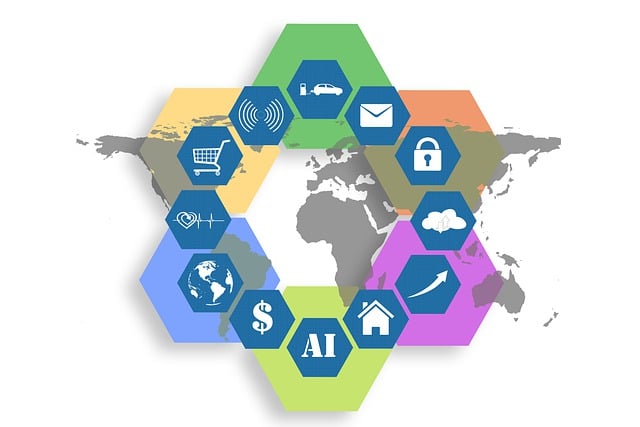
Leveraging Select Smart Car Tech offers businesses strategic advantages in today's dynamic business environment. Key benefits include understanding driver behavior, enhancing fleet performance, and reducing environmental impacts through real-time data insights. This technology enables advancements like self-driving capabilities, EV range optimization, and route planning to cut fuel consumption and carbon emissions by up to 40%. By integrating advanced sensors, connected vehicle tech, NLP, and home automation controls, businesses can save costs, improve safety, and foster sustainable driving behaviors. Select Smart Car Tech empowers data-driven decisions on vehicle procurement, maintenance, insurance, and training, ultimately positioning companies for operational excellence and reduced carbon footprints.
In the dynamic landscape of modern business, optimizing operations through data-driven insights is paramount. Vehicle analytics, specifically for commercial fleets, presents a vast, untapped resource for enhancing efficiency, safety, and profitability. However, navigating the complex web of available data and integrating it effectively remains a significant challenge. This article explores how Select Smart Car Tech offers a robust solution, empowering businesses to harness the power of vehicle analytics. By providing real-time insights into fleet performance, driver behavior, and maintenance needs, our advanced technology enables informed decisions that drive operational excellence.
- Understanding Vehicle Analytics: A Business Perspective
- Data Collection: Selecting Smart Car Tech for Insights
- Deciphering Metrics: What to Track for Efficiency
- Implementing Strategies: Optimizing Operations with Analytics
- Future Trends: Leveraging Analytics for Competitive Advantage
Understanding Vehicle Analytics: A Business Perspective

In today’s rapidly evolving business landscape, leveraging vehicle analytics offers a strategic edge to companies seeking to optimize their mobile operations. Understanding driver behavior, fleet performance, and environmental impacts is no longer an option but a necessity. By integrating Select Smart Car Tech, businesses can gain profound insights into their vehicle fleets, enabling data-driven decisions that enhance efficiency and sustainability. This tech goes beyond mere tracking; it enables companies to embrace emerging trends like self-driving capabilities, which promise revolutionary changes in logistics and safety.
One of the key benefits of advanced vehicle analytics is the ability to optimize electric vehicle (EV) range extensions. With the increasing adoption of EVs, businesses can use data to fine-tune charging strategies, ensuring drivers have sufficient range for their tasks while minimizing downtime for recharging. For instance, companies with fleets of delivery vehicles can leverage real-time analytics to identify optimal routes and efficient driving practices, leading to reduced fuel consumption and lower carbon emissions. Furthermore, integrating home charging setups becomes more manageable when backed by data that predicts energy usage patterns and optimizes charging schedules.
Beyond operational advantages, vehicle analytics fosters environmental stewardship. By analyzing fuel consumption, businesses can pinpoint areas for improvement in driver behavior and fleet management, contributing to significant carbon footprint reductions. For example, a study by the International Energy Agency revealed that improved driving practices and efficient fleet maintenance can lower transportation-related CO2 emissions by up to 40%. As businesses embrace these analytics, they not only gain competitive advantages but also play a pivotal role in creating a more sustainable future, especially with the increasing availability of advanced driver-assistance systems (ADAS) and promising developments in autonomous vehicles.
Data Collection: Selecting Smart Car Tech for Insights
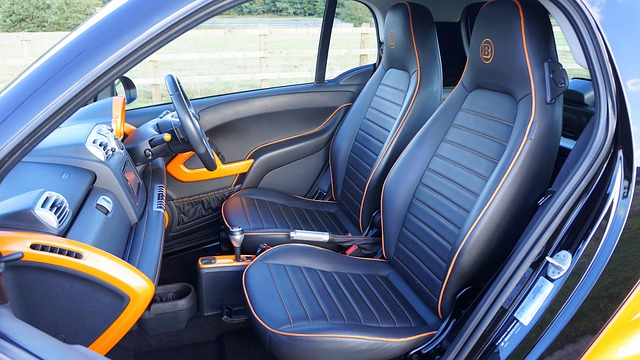
Vehicle analytics for businesses begins with strategic data collection, which necessitates the selectiof smart car tech that can deliver actionable insights. In today’s digital age, leveraging advanced sensors and connected vehicle technologies offers a wealth of information on fleet performance, driver behavior, and operational efficiency. For instance, adoption of park sensor technologies has been shown to reduce parking time by 15-20%, translating to significant cost savings for businesses with high parking requirements.
Smart car tech should not only capture basic telemetry data like speed and location but also delve into low-impact driving techniques and green driving tips. Accelerometer and gyroscope sensors, combined with GPS, can provide detailed insights into braking patterns, acceleration profiles, and cornering forces, enabling businesses to identify areas for improvement in driver training and fuel efficiency. For example, a study by the U.S. Department of Energy found that drivers who employ smooth acceleration and deceleration techniques can save up to 30% on fuel costs.
Furthermore, integrating green driving tips into data collection protocols can contribute to sustainability goals. Technologies such as eco-driving systems, which use algorithms to optimize driving behavior for reduced emissions and improved fuel economy, are becoming increasingly sophisticated. Businesses that select smart car tech with these capabilities not only enhance operational efficiency but also position themselves as environmentally responsible leaders. By continuously monitoring and analyzing driver performance data, companies can foster a culture of sustainable practices, ultimately contributing to cost savings and brand reputation enhancement.
Deciphering Metrics: What to Track for Efficiency

In today’s competitive business landscape, leveraging vehicle analytics is essential for optimizing operations and gaining a strategic edge. Deciphering the right metrics involves selecting smart car tech that provides actionable insights into fleet performance. Key performance indicators (KPIs) such as fuel efficiency, maintenance costs, and driver behavior offer valuable data for informed decision-making. For instance, tracking fuel consumption rates can identify inefficient routes or vehicles, prompting adjustments to save costs and reduce environmental impact.
Beyond traditional metrics, emerging technologies like self-driving capabilities and parallel parking guidance provide unique data points. Self-driving systems generate detailed logs of sensor data, helping businesses understand driverless vehicle performance in various conditions. This data is crucial for refining algorithms and ensuring safe, efficient operations as autonomous driving becomes more prevalent. Similarly, parallel parking guidance systems offer real-time feedback on driver maneuvers, aiding in training and improving overall fleet safety.
Another critical aspect to track is access to public charging networks, especially relevant with the rise of electric vehicles (EVs). Businesses can optimize their EV charging strategies by analyzing data on charging station availability, usage patterns, and associated costs. For example, understanding insurance based on usage can help businesses tailor coverage for low-mileage drivers, reducing overall insurance expenses. Integrating these insights allows companies to make informed decisions about vehicle procurement, maintenance, and insurance policies, ultimately enhancing operational efficiency and cost-effectiveness.
Implementing Strategies: Optimizing Operations with Analytics

Vehicle analytics have emerged as a powerful tool for businesses looking to optimize operations. By integrating advanced technologies like smart car tech, natural language processing (NLP), and home automation controls from car eco-driving assistance, companies can gain unprecedented insights into their fleets. For instance, data from these systems can reveal fuel efficiency patterns, driver behavior, and vehicle maintenance needs, enabling proactive decision-making. A study by the American Automobile Association (AAA) found that eco-driving assistance features, such as adaptive cruise control and predictive maintenance alerts, can reduce fuel consumption by up to 15%.
Implementing effective strategies involves a multi-faceted approach. Businesses should select smart car tech tailored to their specific needs, ensuring compatibility with existing infrastructure and future growth. Remote vehicle access is another critical aspect; enabling remote monitoring and control not only enhances fleet safety but also allows for dynamic routing and real-time performance tracking. For example, companies using telematics systems with NLP capabilities can receive instant alerts about potential issues, allowing for swift corrective actions. This proactive management leads to reduced downtime and improved overall vehicle utilization.
Moreover, leveraging natural language processing in analytics platforms facilitates advanced data interpretation. NLP algorithms can analyze driver behavior patterns, identifying areas for improvement and safety training. By integrating these insights into driver coaching programs, businesses can foster a culture of safe and efficient driving practices. Additionally, home automation controls from car eco-driving assistance systems can promote sustainable operations by encouraging fuel-efficient behaviors among drivers.
In conclusion, optimizing operations with vehicle analytics is not merely about adopting cutting-edge tech; it’s about strategically integrating these tools to achieve operational excellence. Businesses that embrace smart car tech, leverage NLP, and implement home automation controls can expect significant improvements in cost savings, safety, and environmental sustainability. This data-driven approach ensures that every mile traveled contributes to the bottom line and reduces the company’s carbon footprint.
Future Trends: Leveraging Analytics for Competitive Advantage

As businesses increasingly recognize the value of data-driven decisions, vehicle analytics are poised to become a powerful differentiator in the competitive landscape. Leveraging advanced technologies like Select Smart Car Tech, companies can gain unprecedented insights into fleet operations, driver behavior, and customer preferences. This data can be harnessed to optimize routes, improve maintenance schedules, and enhance overall efficiency, giving businesses a significant edge over their rivals.
One of the most promising trends in this domain is the integration of biometric access control into vehicle systems. By using biometric identifiers like fingerprints or facial recognition, companies can ensure secure and efficient login processes for drivers, preventing unauthorized access and enhancing safety. For instance, fleet management companies have successfully employed fingerprint scanners to grant driver access to vehicles, streamlining operations and reducing fraud. Similarly, speech recognition technology is another frontier, offering hands-free interaction with in-vehicle systems. This not only improves driver comfort but also allows for more focused attention on the road, leading to safer driving practices.
Park sensor technologies represent another frontier in enhancing vehicle analytics. These sensors provide real-time data on parking availability and usage patterns, enabling businesses to optimize parking spaces, reduce congestion, and enhance customer satisfaction. Studies have shown that efficient parking management can lead to significant cost savings for companies with large fleets. Moreover, combining these technologies with advanced analytics allows businesses to predict demand patterns, implement dynamic pricing strategies, and even explore new business models centered around shared mobility.
In the future, businesses that invest in Select Smart Car Tech and embrace biometric access control, speech recognition, and park sensor technologies will be better positioned to navigate an increasingly competitive market. By transforming raw data into actionable insights, these organizations can deliver innovative services, optimize operations, and ultimately, gain a loyal customer base that values efficiency, security, and convenience.
Vehicle analytics, as explored in this comprehensive guide, offers businesses a powerful tool to optimize operations and gain a competitive edge. By selecting smart car tech and implementing data collection strategies, companies can decipher crucial metrics such as efficiency, fuel consumption, and driver behavior. This knowledge allows for data-driven decisions that enhance overall fleet management. Looking ahead, embracing future trends in analytics enables organizations to stay ahead of the curve, leveraging technology for improved performance and cost savings. The key takeaways? Prioritize robust data collection through advanced solutions, focus on actionable insights, and continuously adapt strategies based on evolving analytics capabilities. This approach ensures businesses maximize their return on investment and maintain a dynamic advantage in an ever-changing market.