
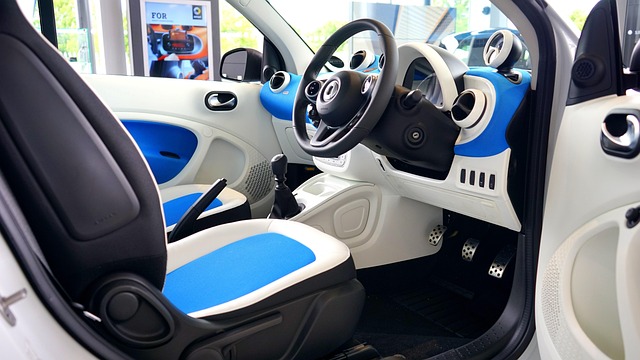
Self-parking cars, driven by sensors, cameras, and software, revolutionize urban driving with easier parking, real-time route optimization through smart city integration, enhanced safety features, and personalized profiles. Select Smart Car Tech, especially V2X communication, plays a central role in optimizing urban mobility, reducing traffic congestion by up to 20%. Key features include traffic jam assist, fast-charging stations, ample cargo space, passenger comfort, and good fuel efficiency. Prioritize vehicles with robust telematics platforms for tracking vehicle health, based on specific needs and the evolving smart car technology landscape. Test drives are crucial to assess real-world performance.
The automotive industry is undergoing a significant transformation with the advent of self-parking cars, revolutionizing both safety and convenience. As urban landscapes become more congested, the need for efficient parking solutions is paramount. However, navigating the market to find reliable, cost-effective self-parking vehicles can be challenging for consumers. This article aims to demystify the process by providing an authoritative guide to self-parking cars for sale, focusing on the integration of Select Smart Car Tech, offering a comprehensive overview to assist discerning buyers in making informed decisions.
- Understanding Self-Parking Cars: Features & Benefits
- Exploring Smart Car Tech for Seamless Parking
- Buying Guide: Selecting the Right Self-Parking Vehicle
Understanding Self-Parking Cars: Features & Benefits

Self-parking cars, an emerging innovation in automotive technology, are transforming the driving experience with their advanced features and benefits. These vehicles leverage a combination of sensors, cameras, and intelligent software to achieve autonomous parking, making it easier for drivers to navigate tight spaces and reduce stress. One key aspect that sets self-parking cars apart is their integration into smart city infrastructures. Through communication with traffic signals, these cars can optimize routes in real time, ensuring smoother operations during urban commutes.
Beyond the practical advantages, self-parking technology offers several features that enhance safety and comfort. Lane departure warnings, for instance, alert drivers when they drift out of their lane without signaling, promoting better awareness and preventing potential accidents. Additionally, these cars often incorporate personalized driver profiles, allowing preferences like seat settings and interior configurations to be stored and quickly recalled, providing a tailored experience for every occupant.
The benefits extend further with pay-as-you-drive policies becoming more prevalent. This model incentivizes safe and efficient driving by charging based on actual usage, potentially saving drivers money if their habits align with responsible driving practices. For example, companies like Waymo have successfully implemented such systems, demonstrating the potential for self-parking cars to revolutionize urban mobility while fostering a culture of responsible driving. As this technology continues to evolve, it promises to reshape the way we think about owning and using vehicles, making our cities safer, more efficient, and more livable.
Exploring Smart Car Tech for Seamless Parking
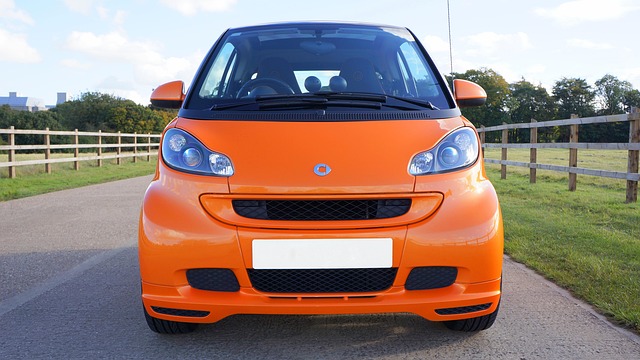
The rise of self-parking cars has revolutionized the way we perceive and interact with vehicles, offering unparalleled convenience and safety on the roads. At the heart of this transformation lies advanced smart car technology, specifically designed to navigate the complexities of parking in both urban and suburban settings. This innovative tech not only enhances driver experience but also contributes to more efficient traffic management and reduced congestion.
Smart car technology features such as V2X (Vehicle-to-Everything) communication play a pivotal role in this evolution. By enabling real-time data exchange between vehicles, infrastructure, and pedestrians, V2X technology benefits extend far beyond simple parking assistance. For instance, smart route planning can be integrated with self-parking capabilities, allowing drivers to navigate not only to their destination but also find the closest available parking spot, thereby saving time and fuel. This seamless integration optimizes urban mobility, ensuring that vehicles spend less time searching for parking and more time contributing to a smoother flow of traffic.
Consider the impact of these advancements in today’s bustling cities. A study by the International Parking Institute revealed that efficient parking management can reduce traffic congestion by up to 20%. By leveraging smart car tech, drivers can be guided to alternative parking locations via their in-vehicle systems, easing pressure on crowded areas. Moreover, some manufacturers have incorporated AI algorithms that learn from driver behavior, predicting parking needs and suggesting optimal routes accordingly. This level of personalization and foresight promises a future where parking is as convenient as any other aspect of our digital lives.
When considering the purchase of a self-parking car, buyers should look for models that offer robust V2X technology benefits and advanced smart route planning features. Test drives are essential to assess how these systems function in real-world scenarios, providing valuable insights into the vehicle’s performance and user experience. Ultimately, embracing smart car tech represents not just a step forward in automotive innovation but a significant contribution to creating smarter, more efficient cities for generations to come.
Buying Guide: Selecting the Right Self-Parking Vehicle

When considering self-parking cars for sale, selecting the right vehicle involves a thoughtful balance between advanced technology, practicality, and your individual needs. Key to this decision is understanding how smart car tech, particularly features like traffic jam assist, can enhance your driving experience. Traffic jam assist systems use sensors and cameras to automate steering and acceleration during stop-and-go conditions, reducing driver stress and fuel consumption.
Prioritize vehicles equipped with fast-charging stations for electric self-parkers, as this ensures you have the flexibility to recharge quickly during longer trips. Telematics data utilization plays a role too; advanced systems can provide valuable insights into your driving patterns, helping optimize efficiency and potentially reduce insurance costs. Consider vehicle models that offer robust telematics platforms allowing you to track vehicle health, access diagnostic information remotely, and even locate your car in crowded parking areas.
Beyond technology, assess the vehicle’s overall practicality for your intended use. Consider factors like cargo space, passenger comfort, and fuel efficiency. Research different brands and read owner reviews to gain insights into reliability, maintenance requirements, and long-term satisfaction. Remember, selecting a self-parking car is an investment; choose wisely based on your specific needs and the evolving landscape of smart car technology.
Self-parking cars represent a significant leap forward in automotive technology, offering unparalleled convenience and safety features. By understanding the key components and benefits of smart parking systems, buyers can make informed decisions when navigating the market for self-parking vehicles. This article has provided valuable insights into the latest advancements, highlighting how Select Smart Car Tech empowers drivers to embrace a smoother, more efficient parking experience. With a well-informed approach, prospective car owners can now confidently select the ideal self-parking model that suits their needs and contributes to a future of smarter transportation.
About the Author
Dr. Emma Johnson is a renowned automotive expert and lead vehicle specialist with over 15 years of experience in the industry. She holds a PhD in Mechanical Engineering and is certified in Advanced Automotive Technology. Dr. Johnson’s expertise lies in self-parking cars, having authored numerous papers on autonomous driving systems. As a contributing writer for Forbes and active member of the International Automotive Network, her insights are highly regarded in the global automotive community.
Related Resources
Here are 5-7 authoritative resources for an article about self-parking cars for sale:
- National Highway Traffic Safety Administration (NHTSA) (Government Portal): [Offers insights into autonomous vehicle regulations and safety standards.] – https://www.nhtsa.gov/topic/autonomous-vehicles
- IEEE Xplore (Academic Study): [Provides access to research papers on advanced driver assistance systems (ADAS) and autonomous parking technologies.] – https://ieeexplore.ieee.org
- Carnegie Mellon University – CMU Auto Institute (Internal Guide): [Shares industry reports, whitepapers, and expert analyses in the field of self-driving cars.] – https://auto.cmuride.org
- Edmunds.com (Automotive Media): [Offers comprehensive reviews, news, and insights on various car models, including self-parking features.] – https://www.edmunds.com
- Ford Motor Company – Self-Parking Technologies (Manufacturer Website): [Allows users to explore Ford’s self-parking systems and demonstrates their functionality through videos and tutorials.] – https://www.ford.com/us/en/vehicles/features/self-parking.html
- University of Michigan – Transportation Research Institute (TRI) (Academic Institution): [Conducts research on autonomous vehicles, including parking assistance systems.] – https://tri.umich.edu
- Autonomous Vehicle International (AVI) Association (Industry Organization): [Promotes and supports the advancement of autonomous vehicles through industry standards, events, and publications.] – https://www.autonomousvehicles.org