

Virtual Reality (VR) Head-Up Displays (HUDs), powered by Select Smart Car Tech, revolutionize driving with immersive augmented reality views of critical vehicle data. These displays enhance safety and efficiency for both personal and commercial drivers, offering real-time guidance for maneuvers like parallel parking and congestion navigation. By reducing driver stress and keeping eyes on the road, VR HUDs transform driving into a connected, hands-free experience that improves overall efficiency and integrates with smart home features and advanced driver assistance systems (ADAS).
“The future of driving is here with Virtual Reality (VR) Head-Up Displays (HUDs), transforming the way we interact with our vehicles. This article explores how VR technology enhances the driving experience, from smart car integration to hands-free navigation. We delve into the technical advancements creating immersive interfaces while ensuring safety in design. Discover how these innovations, powered by select smart car tech, are revolutionizing dashboard dynamics and setting new standards for driver engagement.”
- Unlocking Enhanced Driving Experience: VR HUD's Role
- How Smart Cars Integrate Virtual Reality Displays
- Benefits of Hands-Free Navigation and Information
- Technical Innovations: Creating Immersive Head-Up Interfaces
- Safety Considerations in Designing VR Head-Mounted Systems
- Future Trends: Evolving Car Dashboard Dynamics
Unlocking Enhanced Driving Experience: VR HUD's Role

The integration of Virtual Reality (VR) Head-Up Displays (HUDs) is transforming the driving experience, especially in the context of Select Smart Car Tech. These innovative systems offer drivers an immersive, augmented reality view of critical vehicle information directly in their line of sight, enhancing safety and performance. By presenting data such as speed, navigation directions, and even alerts for nearby obstacles or traffic conditions, VR HUDs provide a level of awareness that goes beyond traditional dashboard displays.
For commercial vehicle operators, VR HUDs play a pivotal role in optimization strategies. Features like parallel parking guidance, tailored to tight urban spaces, alleviate stress during maneuvering. In congested traffic jams, these displays can assist with smooth acceleration and deceleration, reducing driver fatigue and improving overall efficiency. The ability to keep eyes on the road while receiving vital information makes VR HUDs a game-changer for both personal and commercial vehicle optimization.
How Smart Cars Integrate Virtual Reality Displays

In the realm of modern automotive innovation, Smart Cars are integrating virtual reality (VR) head-up displays as part of their advanced tech packages. These cutting-edge systems offer drivers an immersive and intuitive experience by projecting critical vehicle information directly onto their line of sight. By combining VR with Select Smart Car Tech, manufacturers are enhancing driver safety innovations while revolutionizing the way drivers interact with their vehicles.
The integration goes beyond mere entertainment, as these displays often double up as collision avoidance systems, providing real-time alerts for potential hazards on the road. Additionally, hybrid technology advancements allow for seamless vehicle-home synchronization, ensuring a connected experience both inside and outside the car. This level of innovation not only improves driver safety but also transforms driving from a mere means of transportation into an engaging, tech-driven experience.
Benefits of Hands-Free Navigation and Information
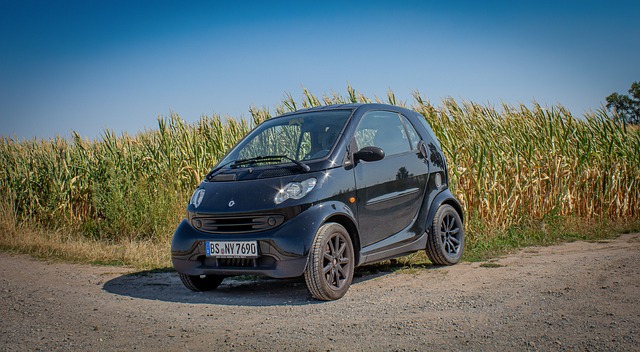
The adoption of virtual reality (VR) head-up displays offers a multitude of benefits for drivers, particularly in the realm of hands-free navigation and information access. By presenting vital data directly in the driver’s line of sight, these displays enhance safety and efficiency, especially during low-impact driving techniques. Drivers can stay focused on the road while receiving crucial information without having to look away or manipulate controls, thereby reducing distractions and promoting safe driving incentives.
This hands-free aspect is further amplified when integrated with smart home features and advanced driver assistance systems (ADAS). Such integration allows for seamless connectivity between the vehicle and personal devices, enabling drivers to manage calls, messages, and navigation without removing their hands from the steering wheel. With these advanced technologies, driving becomes more than just getting from point A to B; it transforms into a streamlined experience that combines comfort, convenience, and safety through Select Smart Car Tech.
Technical Innovations: Creating Immersive Head-Up Interfaces
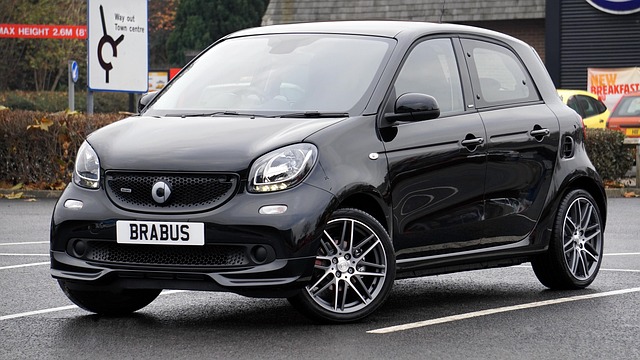
The future of driving is here with the integration of virtual reality (VR) head-up displays in modern vehicles. These innovative interfaces leverage cutting-edge technical advancements to create immersive experiences for drivers, transforming how we interact with our cars. By overlaying digital information directly on the driver’s line of sight, VR head-ups offer a seamless blend of physical and digital worlds, enhancing safety and convenience.
Technical innovations in this space include sophisticated sensor technologies and telematics data utilization. Advanced sensors detect road conditions, traffic patterns, and nearby obstacles, feeding this critical data into the VR system. This enables real-time navigation and adaptive driving assistance, such as intelligent speed control and precise braking. Additionally, voice command controls enhance user interaction, allowing drivers to access various functions without taking their hands off the steering wheel. The select smart car tech behind these displays promises a future where driving is not just safer but also more connected and responsive to our needs.
Safety Considerations in Designing VR Head-Mounted Systems

When designing Virtual Reality (VR) head-mounted displays for automotive applications, safety is paramount. These systems are increasingly integrated into modern vehicles, promising enhanced driving experiences through immersive interfaces. Therefore, developers must consider a multitude of factors to ensure the well-being of drivers and passengers. One key aspect is achieving seamless robust sensor fusion, combining data from various sensors like cameras, LiDAR, and GPS to create accurate environmental representations within the VR experience. This fusion ensures that the digital world accurately mirrors reality, preventing potential hazards caused by misalignment.
Furthermore, as VR technologies evolve, they become increasingly connected to the broader connected car ecosystem. This connectivity opens up opportunities for real-time data exchange between the vehicle and external systems, enhancing safety through features like advanced driver assistance systems (ADAS). Additionally, with the rise of autonomous vehicles, natural language processing (NLP) could facilitate hands-free interactions, allowing drivers to access VR functions while maintaining focus on the road. However, developers must ensure that these technologies are implemented securely, addressing concerns around data privacy and cyber-security within the public charging networks and integrating them into car insurance based on usage models.
Future Trends: Evolving Car Dashboard Dynamics
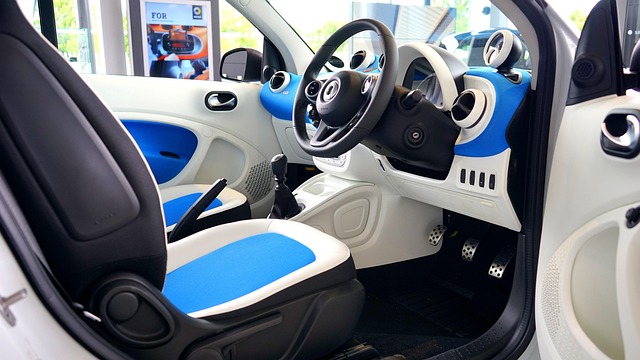
The future of cars is already here, with virtual reality head-up displays transforming how drivers interact with their vehicles. As technology evolves, the traditional car dashboard dynamics are set to change drastically. One of the most promising trends in this space is the integration of Select Smart Car Tech, which goes beyond mere entertainment systems. These advanced interfaces will not only provide real-time traffic updates and green driving tips but also offer immersive experiences that enhance driver safety and efficiency.
Imagine a dashboard that seamlessly integrates V2X technology benefits, enabling seamless communication between vehicles and infrastructure. This connected car ecosystem can predict and prevent accidents, optimize routes, and even assist in emergency situations. With immobilizer systems becoming more sophisticated, drivers will have added peace of mind, knowing their vehicles are protected against unauthorized access. Through these innovations, the driving experience will become smarter, safer, and more enjoyable.
The integration of virtual reality head-up displays (VR HUDs) into smart cars represents a significant leap forward in automotive technology. By offering hands-free navigation and information, VR HUDs enhance driver safety and comfort while unlocking new possibilities for immersive driving experiences. As we look to the future, continued technical innovations will shape car dashboard dynamics, making them more intuitive, efficient, and entertaining. Selecting the right smart car tech, including advanced VR HUD systems, can revolutionize how we interact with our vehicles, ensuring a safer and more engaging journey on the road ahead.