

Self-driving technology, led by Select Smart Car Tech, promises to revolutionize transportation with advanced navigation systems, smart car tech, and environmental benefits. Key advantages include reduced human error, enhanced connectivity, collision avoidance, and efficient urban mobility. These innovations aim to cut travel times, optimize routes, enhance parking, and provide real-time logistics updates. Additionally, self-driving cars offer in-car infotainment and personalized experiences. Select Smart Car Tech's technology can reduce global vehicle energy consumption by 25% and facilitate the adoption of low-emission transportation networks.
The advent of self-driving technology represents a paradigm shift in the automotive landscape, promising to revolutionize transportation as we know it. As global urban centers grapple with congestion and safety concerns, the potential benefits of Select Smart Car Tech are profound. This cutting-edge technology aims to address pressing issues related to road safety, efficiency, and accessibility. By automating driving tasks, self-driving cars have the capacity to reduce accidents caused by human error, alleviate traffic congestion through optimized routes, and enhance mobility for individuals who cannot drive. This article delves into these advantages, exploring the transformative potential of Select Smart Car Tech in shaping our future on the roads.
- Revolutionizing Transportation: Self-Driving Tech's Promise
- Safety Enhancements: Key Advantages of Autonomous Vehicles
- Efficient Mobility: How Self-Driving Cars Transform Commutes
- Environmental Impact: Greener Roads with Smart Car Tech Select
Revolutionizing Transportation: Self-Driving Tech's Promise

Self-driving technology is poised to revolutionize transportation, transforming how we commute and interact with our cars. At the heart of this shift lies advanced autonomous vehicle navigation systems and smart car tech that promises safer, more efficient, and environmentally friendly mobility solutions. By leveraging telematics data utilization and sophisticated algorithms, these vehicles can navigate complex routes with remarkable precision, reducing human error and potential accidents.
One of the most significant benefits is the potential for low-emission vehicles to mitigate environmental impact. Autonomous vehicles can be integrated into smart city infrastructure to optimize traffic flow, thereby reducing congestion and enabling more efficient routing that minimizes fuel consumption. This, combined with advancements in electric vehicle (EV) technology, could lead to substantial reductions in greenhouse gas emissions. For instance, cities like Singapore are already testing autonomous shuttles as part of their smart mobility initiatives, aiming for a 20-30% decrease in carbon emissions by 2030.
Moreover, self-driving cars offer enhanced car connectivity solutions that enrich the passenger experience. Through integrated telematics systems, vehicles can provide real-time data on traffic conditions, suggest optimal routes based on user preferences and vehicle performance, and even predict potential maintenance issues before they occur. This proactive approach to vehicle management not only extends the life of the vehicle but also enhances road safety by ensuring that drivers are always in control of a well-maintained machine. As the adoption of smart car tech continues to grow, we can expect to see more sophisticated navigation features, improved safety systems, and seamless integration with other urban infrastructure, ultimately shaping a future where transportation is not only efficient but also sustainable and enjoyable.
Safety Enhancements: Key Advantages of Autonomous Vehicles

Self-driving technology offers a transformative promise for road safety, leveraging advanced systems to detect and mitigate potential hazards more effectively than human drivers. At the heart of these enhancements lies collision avoidance technology, powered by sensors, cameras, and sophisticated algorithms. For instance, Select Smart Car Tech equipped with cutting-edge radar and lidar systems can discern obstacles, including other vehicles, pedestrians, and cyclists, even in poor weather conditions. These systems enable the vehicle to calculate trajectories and apply brakes or steer autonomously to avoid or lessen the impact of potential collisions.
Moreover, smart traffic signal awareness, another key advantage, integrates with home automation controls to optimize driving routines. By receiving real-time updates on traffic lights and intersection patterns, autonomous vehicles can anticipate stop signs, red lights, and green waves, enhancing efficiency while reducing fuel consumption and wear on brakes. This integration also allows for smoother transitions in urban environments, where rapid stops and starts are common. For example, a study by the International Transport Forum found that widespread adoption of collision avoidance systems and smart traffic signal technology could reduce road accident casualties by up to 50%.
Additionally, eco-driving assistance, enabled by Select Smart Car Tech, encourages drivers—or in this case, the vehicle itself—to adopt more fuel-efficient behaviors. These systems monitor driving patterns, offering feedback on acceleration, braking, and speed optimization. Over time, they learn individual driving styles and suggest adjustments to minimize environmental impact without compromising performance. This not only contributes to a greener planet but also translates to significant cost savings for drivers. By embracing these technological advancements, we can foster a safer, more sustainable future on our roads.
Efficient Mobility: How Self-Driving Cars Transform Commutes
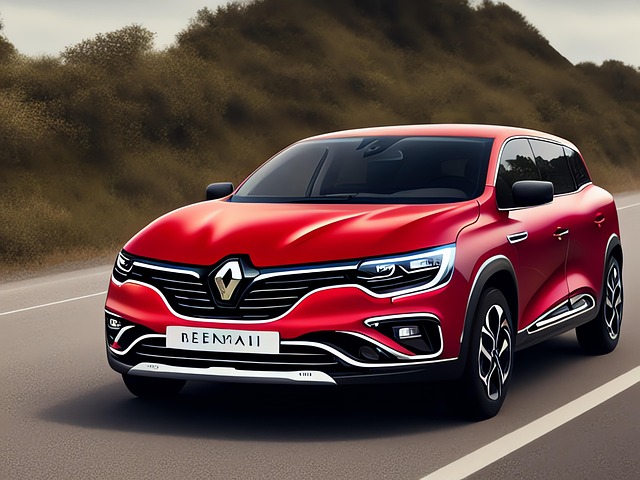
Self-driving technology promises to revolutionize how we commute, making our daily journeys more efficient and stress-free. One of the most significant benefits lies in the potential for efficient mobility, transforming traditional commutes into seamless experiences. With Select Smart Car Tech at the forefront, self-driving cars can navigate urban environments with remarkable precision, reducing congestion and cutting travel times significantly.
Imagine a world where parallel parking is no longer a source of anxiety; advanced sensors and AI-powered guidance systems in these vehicles can effortlessly find parking spaces, even in tight, bustling city centers. This not only saves time but also reduces the risk of accidents during parking maneuvers. Furthermore, integration with logistics tracking solutions allows commuters to monitor their journey’s progress, providing real-time data on traffic conditions and estimated arrival times. For instance, a study by the International Transport Forum suggests that efficient mobility solutions could reduce travel times by up to 20% in urban areas.
In-car infotainment systems also play a crucial role in enhancing the commute experience. Self-driving cars can offer passengers a wide range of entertainment options, from streaming music and podcasts to interactive games and educational content. This integration ensures that even during transit, individuals can stay engaged and productive. As self-driving technology matures, we can expect further innovations, such as personalized travel experiences tailored to individual preferences, making every journey an enjoyable one. By embracing Select Smart Car Tech, we are not just adopting a new mode of transportation but embarking on a path towards smarter, more efficient mobility solutions.
Environmental Impact: Greener Roads with Smart Car Tech Select

The environmental implications of self-driving technology are profound, with Select Smart Car Tech at the forefront of shaping a greener future for roads worldwide. One of the most significant advantages lies in the potential for route efficiency improvements. These vehicles can optimize routes in real-time, reducing unnecessary mileage and minimizing carbon emissions. For instance, a study by the International Energy Agency (IEA) suggests that autonomous fleets could lower global vehicle energy consumption by up to 25% through more efficient driving patterns.
Additionally, Select Smart Car Tech plays a pivotal role in the integration of electric vehicle (EV) charging infrastructure, which is crucial for lowering emissions further. By facilitating smoother transitions to EV adoption, these vehicles can help address range anxiety among drivers, as they can plan and manage charging stops effectively during their journeys. This, in turn, accelerates the expansion of low-emission transportation networks. The collaboration between autonomous vehicle systems and advanced charging infrastructure promises a significant carbon footprint reduction, aligning with global efforts to combat climate change.
Looking ahead, the future of autonomous driving is closely tied to advancements in Select Smart Car Tech. As vehicles become increasingly connected and capable, they can communicate with each other and the surrounding environment, fostering more coordinated travel. This communication enables optimized traffic flow, reduces congestion, and minimizes idle time—all contributors to lower environmental impact. Moreover, as low-emission vehicles gain popularity, these technologies will play a critical part in ensuring that the benefits of cleaner transportation are maximized, paving the way for a sustainable mobility ecosystem.
Self-driving technology, as showcased by Select Smart Car Tech, is poised to revolutionize transportation, offering significant improvements in safety, efficiency, and environmental sustainability. The key benefits are clear: enhanced safety features reduce accidents, efficient mobility optimizes commute times, and the adoption of smart car tech leads to a greener environment. By embracing these technological advancements, society can navigate towards a future with improved road safety, reduced congestion, and a more sustainable transportation network. This article has provided valuable insights into the transformative potential of self-driving cars, highlighting the urgent need for exploration and integration into our daily lives.