

The future of autonomous vehicles is driven by Select Smart Car Tech, advancing from basic cruise control to fully autonomous ride-hailing. Key impacts include:
– Logistics: Self-driving trucks optimize shipping and reduce costs.
– Urban Mobility: Smart home integration enhances city safety and efficiency.
Safety, cybersecurity, and ethical concerns require collaboration between automakers, regulators, and tech experts. V2X technology improves road safety and efficiency. Select Smart Car Tech features like adaptive cruise control and automatic emergency braking reduce human error, promoting sustainable driving.
Regulatory challenges include keeping pace with advancements, addressing public concerns through testing and education, and incentivizing eco-friendly models. Collaboration is vital for realizing the potential of autonomous vehicles while ensuring safety and environmental sustainability in urban areas, offering improved efficiency, safety, and accessibility.
The future of transportation is here, with autonomous vehicles poised to revolutionize the way we commute. As technology advances, self-driving cars promise increased safety, efficiency, and convenience. However, challenges remain in integrating these innovative vehicles into our existing infrastructure and addressing public concerns about their reliability and ethical implications. This article delves into the transformative potential of Select Smart Car Tech, exploring its role in overcoming regulatory hurdles, improving safety standards, and shaping a future where autonomous vehicles seamlessly navigate our urban landscapes.
- The Rise of Autonomous Vehicles: A Historical Perspective
- Technological Advancements: Select Smart Car Tech Revolutionizes Safety
- Regulatory Challenges and Public Acceptance: Navigating the Future
- Impact on Transportation: Shaping Urban Mobility and Beyond
The Rise of Autonomous Vehicles: A Historical Perspective

The future of autonomous vehicles is no longer a concept confined to science fiction; it’s an evolving reality. The journey towards self-driving cars began with simple cruise control systems in the 1950s, but substantial progress has been made since then. Today, advanced driver-assistance systems (ADAS) powered by Select Smart Car Tech are setting the stage for a new era of motoring. These technologies, such as lane keeping assist and adaptive cruise control, have laid the groundwork for higher levels of autonomy.
Historical milestones underscore this rapid evolution. In 2018, Waymo became the first company to offer a fully autonomous ride-hailing service in Phoenix, Arizona. Since then, numerous automakers and tech giants have joined the race, driven by consumer demand and government incentives promoting safe driving through smart vehicle integration. V2X (vehicle-to-everything) technology benefits are particularly promising, enabling real-time communication between vehicles, infrastructure, and smart homes, enhancing road safety and efficiency.
As autonomous vehicles gain mainstream adoption, they’ll transform various sectors beyond personal transportation. In logistics, self-driving trucks will revolutionize long-haul shipping, reducing operational costs and improving tracking accuracy through advanced IoT (Internet of Things) sensors and logistics tracking solutions. This shift promises to optimize supply chains, making delivery times more predictable while ensuring safe and efficient transportation of goods.
Looking ahead, the future holds immense potential for autonomous vehicles to redefine urban mobility. Cities can leverage smart home integration to create seamless transportation networks, where vehicles communicate with homes, public infrastructure, and each other. This interconnected ecosystem will foster safer, greener, and more efficient urban travel. However, realizing this vision demands continued collaboration between automakers, regulators, and tech experts to address safety concerns, cybersecurity challenges, and ethical considerations.
Technological Advancements: Select Smart Car Tech Revolutionizes Safety

The future of autonomous vehicles is being shaped by rapid technological advancements, with Select Smart Car Tech at the forefront, revolutionizing safety standards. These innovations are not only transforming how we commute but also paving the way for greener and more sustainable transportation solutions. One of the key areas of focus is developing smart systems that enhance driver assistance and prevent accidents.
Select Smart Car Tech incorporates advanced driver-assistance systems (ADAS) that utilize sensors, cameras, and radar to detect potential hazards. These features include adaptive cruise control, lane-keeping assist, automatic emergency braking, and more. For instance, modern vehicles equipped with these technologies can maintain a safe distance from other cars, steer themselves within their lane, and even brake automatically to avoid collisions. Speech recognition technology is also becoming integral, allowing drivers to interact with in-car systems hands-free, promoting safer driving environments. As these features mature, they contribute to reducing human error, which is a leading cause of accidents.
Moreover, the integration of green driving tips within Select Smart Car Tech promotes sustainable transportation solutions. These systems optimize fuel efficiency by adjusting speeds and providing real-time energy consumption data to drivers. By encouraging eco-conscious behavior, such as smooth acceleration and gentle braking, autonomous vehicles can significantly reduce their carbon footprint. The convergence of advanced safety features and environmental consciousness signifies a significant leap forward in the evolution of autonomous vehicles, promising a safer and greener future on our roads.
Regulatory Challenges and Public Acceptance: Navigating the Future
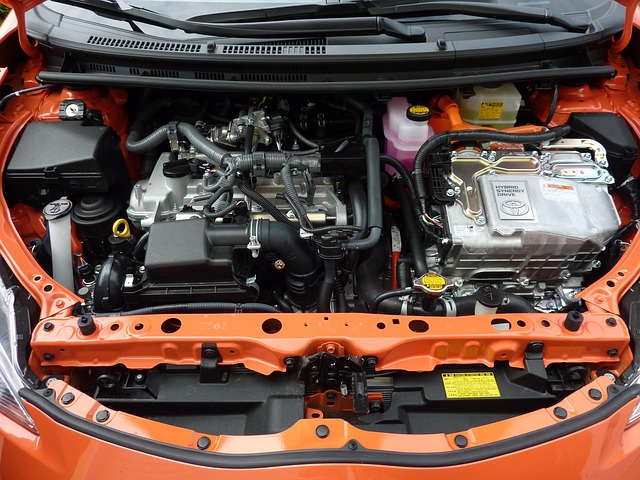
The future of autonomous vehicles hinges critically on overcoming regulatory challenges and fostering public acceptance. As we move towards a more automated transportation landscape, existing regulations struggle to keep pace with the rapid advancements in smart car technology. One of the primary hurdles is the need for standardized safety protocols and performance benchmarks for advanced driver assistance systems (ADAS). Without clear guidelines, manufacturers face regulatory uncertainty, impacting their ability to innovate and bring safer, more efficient vehicles to market. For instance, while features like blind spot detection sensors and smart parking assistance have shown remarkable promise in improving road safety, their widespread adoption hinges on regulatory bodies establishing uniform standards for testing and certification.
Public acceptance is another significant challenge. Concerns over cybersecurity, privacy, and the reliability of autonomous systems remain paramount. The public’s trust must be earned through robust testing, transparent reporting, and continuous improvement cycles. Select Smart Car Tech companies are leveraging data analytics to enhance vehicle performance while ensuring user privacy. This includes algorithms that learn from real-world driving conditions, adapting to diverse scenarios without compromising user safety or data security. Building public confidence will require collaborative efforts between tech developers, regulatory bodies, and community engagement initiatives that educate drivers about the benefits of autonomous vehicles, such as reduced traffic congestion, lower carbon emissions, and improved accessibility for individuals with disabilities.
Furthermore, regulatory frameworks must address the environmental impact of smart cars. The automotive industry is shifting towards eco-friendly models, and this trend will be pivotal in shaping the future of autonomous transportation. Manufacturers are developing electric and hybrid vehicles equipped with advanced driver assistance systems, aiming to reduce emissions and fuel consumption. Governments can play a pivotal role by offering incentives for the adoption of these technologies, setting ambitious emission standards, and investing in charging infrastructure. By aligning regulatory policies with sustainability goals, we can accelerate the transition to a greener future where autonomous vehicles not only navigate roads efficiently but also contribute to a healthier planet.
Actionable advice for navigating this landscape includes advocating for transparent regulations that encourage innovation while ensuring safety, engaging in public dialogue to dispel fears and educate citizens about the benefits of smart cars, and fostering partnerships between regulators, manufacturers, and environmental groups to drive sustainable development. As we move forward, continuous collaboration and adaptation will be key to unlocking the full potential of autonomous vehicles while addressing regulatory and public acceptance challenges.
Impact on Transportation: Shaping Urban Mobility and Beyond

The future of autonomous vehicles promises to revolutionize transportation, fundamentally shaping urban mobility as we know it. As advancements in smart car tech accelerate, self-driving cars are transitioning from science fiction to reality, with promising implications for efficiency, safety, and accessibility. This transformative trend extends far beyond mere convenience; it envisions cities reconfigured around optimized traffic flow, reduced congestion, and enhanced green spaces.
One of the most tangible impacts will be observed in urban settings where Select Smart Car Tech-equipped vehicles can dynamically adapt to cityscapes. Head-up display projections may offer turn-by-turn directions directly in drivers’ lines of sight, freeing them from manual navigation while ensuring they remain aware of their surroundings. Speech recognition technology could allow for seamless communication with in-car systems, enabling hands-free control and enhancing safety during operation. Moreover, the integration of eco-friendly smart cars powered by electric or hydrogen fuel cells can significantly reduce urban carbon footprints, contributing to global efforts against climate change.
However, realizing these benefits requires thoughtful planning and collaboration between automakers, policymakers, and urban planners. Regulatory frameworks must evolve to accommodate autonomous vehicles while ensuring safety standards are met. Infrastructure investments in charging stations for electric smart cars and communication networks for seamless vehicle-to-infrastructure interactions are crucial. By embracing Select Smart Car Tech, cities can anticipate smoother traffic flows, reduced parking demands, and more livable public spaces. Ultimately, the future of transportation holds the promise of smarter, greener, and safer urban mobility, paving the way for a new era of interconnected and efficient urban living.
The future of autonomous vehicles is poised to revolutionize transportation, as evidenced by the historical trajectory outlined and the remarkable technological advancements, notably the emergence of Select Smart Car Tech. This technology promises enhanced safety through sophisticated sensors and AI algorithms. However, regulatory challenges and public acceptance remain pivotal factors that will shape this evolution. The impact on urban mobility is anticipated to be profound, with autonomous vehicles potentially reducing traffic congestion and improving accessibility. As these vehicles navigate public roads, continued development of Select Smart Car Tech, coupled with thoughtful regulation, will ensure a safe and seamless transition to a future where self-driving cars are the norm, redefining our transportation landscape.