

Connected cars offer convenience but face cyber vulnerabilities. Solutions include robust encryption, secure communication protocols, and regular software updates. Car manufacturers must implement strict access controls and choose reputable tech partners. Consumers should update software, choose reliable manufacturers, and be discerning about app permissions. Select Smart Car Tech integrates advanced authentication, multi-factor security, and real-time tracking for enhanced protection against hacking threats. Regular OTA updates and industry collaboration are vital to secure the evolving connected car landscape.
The modern automotive landscape is evolving rapidly with the integration of advanced technologies, making connected cars a reality. However, as we unlock new features and conveniences, we also open potential security vulnerabilities. The risk of car hacking is a growing concern, with malicious actors targeting vehicle systems for unauthorized access, data theft, or even control over critical functions. This article delves into the intricate world of connected car hacking prevention, exploring strategies and innovations aimed at fortifying these sophisticated in-vehicle networks. We’ll dissect the challenges posed by modern automotive cybersecurity and highlight the pivotal role of Select Smart Car Tech in securing our future on the road.
- Understanding Connected Car Vulnerabilities
- Implementing Secure Communication Protocols
- Selecting Smart Car Tech for Enhanced Safety
- Regular Software Updates: A Critical Defense
- Advanced Authentication and Access Control
Understanding Connected Car Vulnerabilities

Connected cars offer a host of conveniences, from smart traffic signal awareness and smart route planning to automatic garage opening and adaptive cruise control. However, these features also introduce novel vulnerabilities that hackers can exploit. Understanding these weaknesses is crucial for both car manufacturers and consumers alike. For instance, in 2015, researchers demonstrated how they could remotely take control of a connected car, unlocking doors, starting the engine, and even driving it. This incident underscored the urgent need for robust security measures in modern vehicles.
One primary vulnerability lies in the communication protocols used by these cars. Many smart car systems rely on wireless technologies like Bluetooth and Wi-Fi, which can be susceptible to hacking if not properly secured. Additionally, the integration of various third-party apps further complicates the security landscape. Each app introduces potential entry points for malicious actors. For example, an insecure app could transmit sensitive vehicle data over unencrypted channels, providing hackers with valuable information to exploit vulnerabilities.
Addressing these issues requires a multi-layered approach. Car manufacturers must implement strong encryption protocols and regularly update software to patch known security flaws. They should also enforce strict access controls, ensuring that only authorized apps and devices can interact with the vehicle’s systems. Consumers, for their part, need to be discerning about the smart car tech they adopt, choosing reputable manufacturers and keeping their software up-to-date. By prioritizing these measures, we can ensure that the benefits of connected car technology are realized while minimizing the associated risks.
Implementing Secure Communication Protocols
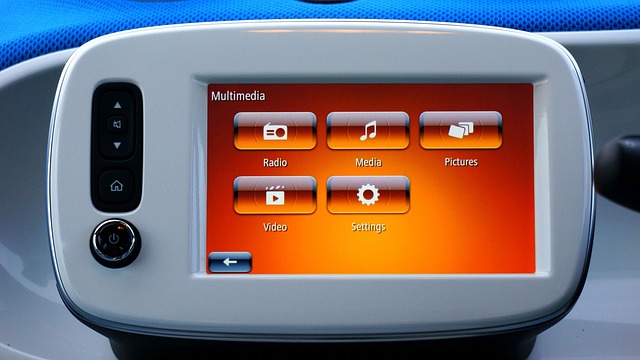
As connected cars become increasingly prevalent, securing these vehicles from cyber threats is a paramount concern. Implementing robust communication protocols is a critical step in this direction. Car manufacturers must adopt standardized encryption methods and secure data transmission channels to prevent unauthorized access to vehicle systems. For instance, the use of Secure Sockets Layer (SSL) or Transport Layer Security (TLS) for data exchange ensures that even if an external party intercepts signals, they remain unreadable without proper decryption keys.
One promising approach involves integrating customizable instrument clusters that offer real-time security updates and alerts to drivers. These dynamic displays can provide immediate notifications about potential hacking attempts, allowing users to take proactive measures. Furthermore, advanced driver assistance systems (ADAS), which are already transforming the driving experience by enhancing safety features like adaptive cruise control and lane-keeping assist, can also serve as a double-edged sword. By integrating these systems with smart car tech, manufacturers can create robust security frameworks that deter potential attackers.
Low-emission vehicles, often at the forefront of environmental initiatives, must not be compromised in the pursuit of cybersecurity. As electric vehicle (EV) technology continues to evolve, it’s crucial to embed secure communication protocols from the design phase onwards. For instance, Tesla’s over-the-air (OTA) updates have set a precedent for remote software patching, which can also serve as a powerful tool against cyber threats. By leveraging customizable instrument clusters and integrating ADAS into the vehicle security enhancements, automakers can ensure that low-emission vehicles remain protected while delivering an eco-friendly driving experience.
To stay ahead of emerging threats, manufacturers should continuously update their protocols, drawing from industry best practices and data analytics to identify patterns and vulnerabilities. A proactive approach, combined with smart car tech, will be essential in safeguarding connected cars as they become increasingly integrated into our daily lives.
Selecting Smart Car Tech for Enhanced Safety

Selecting Smart Car Tech for Enhanced Safety involves a strategic blend of advanced hybrid technology advancements, driver safety innovations, and customizable instrument clusters. As vehicles become increasingly connected, prioritizing vehicle security enhancements is paramount. For instance, modern systems integrate logistics tracking solutions to monitor not only the vehicle’s location but also its condition, providing owners with real-time data on fuel efficiency and maintenance needs. This proactive approach ensures that drivers stay informed and safe.
When evaluating Smart Car Tech, consider the multifaceted benefits it offers. Customizable instrument clusters, for example, allow drivers to tailor their dashboard displays according to their preferences and driving conditions. This level of personalization not only enhances driver experience but also enables quicker access to critical information, thereby improving reaction times in hazardous situations. Moreover, hybrid technology advancements in fuel efficiency and emissions reduction not only contribute to environmental sustainability but also lower operating costs for owners.
To ensure optimal security, it’s crucial to select vehicle security systems that incorporate cutting-edge encryption methods and regular software updates. These measures protect against evolving cyber threats, ensuring that your vehicle data remains secure. For businesses leveraging fleet management, integrating advanced tracking solutions can optimize logistics operations by monitoring driver behavior, preventing unauthorized use, and enhancing overall fleet safety. By selecting the right Smart Car Tech, drivers and fleet operators alike can navigate today’s digital roads with enhanced confidence and peace of mind.
Regular Software Updates: A Critical Defense

As connected cars become increasingly prevalent on our roads, ensuring their security against hacking attempts is of paramount importance. One of the most effective strategies in this regard is regular software updates. Vehicles equipped with advanced features like premium audio experiences, park sensor technologies, and blind spot detection sensors smart parking assistance rely heavily on intricate software systems, making them potential targets for cybercriminals. Regular updates serve as a critical defense mechanism against these threats.
Software updates not only patch known vulnerabilities but also improve the overall security posture of connected cars. Manufacturers often release updates to address security loopholes that may have been exploited or identified through rigorous testing and real-world data analysis. For instance, in 2021, a significant vulnerability was discovered in several car models’ infotainment systems, allowing remote hackers access to sensitive vehicle controls. Rapid responses from manufacturers, followed by mandatory software updates, demonstrated the importance of proactive security measures.
Implementing a robust update system requires collaboration between automakers and technology providers. Manufacturers must prioritize security features throughout the development lifecycle and ensure that updates are easily accessible and applied with minimal disruption to drivers’ experiences. For example, some leading carmakers now offer over-the-air (OTA) updates, allowing for remote installation of security patches and new features. This approach not only enhances convenience but also strengthens vehicle security by enabling timely fixes without the need for physical visits to dealerships.
Moreover, educating consumers about the importance of keeping their vehicles’ software up to date is essential. Drivers should be encouraged to enable automatic updates whenever possible and stay informed about available patches. By integrating smart parking assistance systems and other advanced driver-assistance systems (ADAS), automakers can provide drivers with a comprehensive suite of safety features. However, these technologies must be safeguarded through regular software updates to ensure their effectiveness and prevent potential hacking incidents.
Advanced Authentication and Access Control
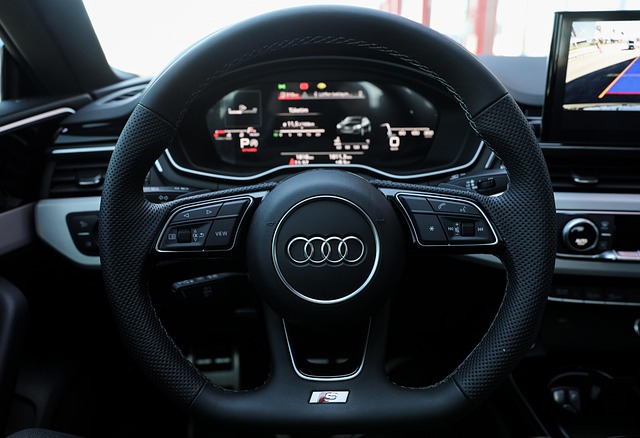
As connected cars become increasingly prevalent on our roads, securing these vehicles from cyber threats is paramount. Advanced Authentication and Access Control (AAAC) plays a critical role in protecting user data, ensuring safe communication between the car and external systems, and preventing unauthorized access. This involves implementing robust mechanisms to verify the identity of users and devices attempting to connect to the vehicle’s network.
One key strategy within AAAC is the adoption of Select Smart Car Tech, which offers advanced encryption and secure pairing protocols. For instance, modern vehicles with built-in fast-charging stations can leverage this technology to ensure that data exchanged during charging remains protected from potential hackers. Similarly, congestion-aware navigation systems, which optimize routes based on real-time traffic data, can employ AAAC to safeguard the privacy of user locations and travel patterns. Voice command controls, another popular feature, must also be secured through robust authentication to prevent unauthorized access or manipulation while drivers engage with these systems.
Industry experts suggest that multi-factor authentication (MFA) is a game-changer in car hacking prevention. MFA requires users to provide multiple forms of identification—such as a password, a biometric scan, or a physical token—before granting access. This significantly reduces the risk of unauthorized entry and ensures that even if one factor is compromised, the vehicle remains secure. Moreover, regular software updates are essential; over-the-air updates, when implemented with strong encryption and digital signatures, can patch vulnerabilities before they’re exploited. As the connected car ecosystem evolves, continuous innovation in AAAC will be crucial to keep pace with emerging threats and maintain the safety and privacy of drivers and their vehicles.
By addressing key vulnerabilities, implementing robust security protocols, and prioritizing regular software updates, automakers can fortify connected cars against potential hacking threats. Select Smart Car Tech that incorporates advanced authentication and access control measures to ensure passenger safety and data privacy. This multi-layered approach, combined with proactive update strategies, presents a comprehensive defense mechanism against evolving cyberattacks in the automotive landscape.